

Grains of Conflict: The Struggle for Food in China’s Total War, 1937-1945
Jennifer Yip, Assistant Professor - National University of Singapore
February 25, 2026 | 12:15pm - 1:30pm
SRH 3.122, The LBJ School
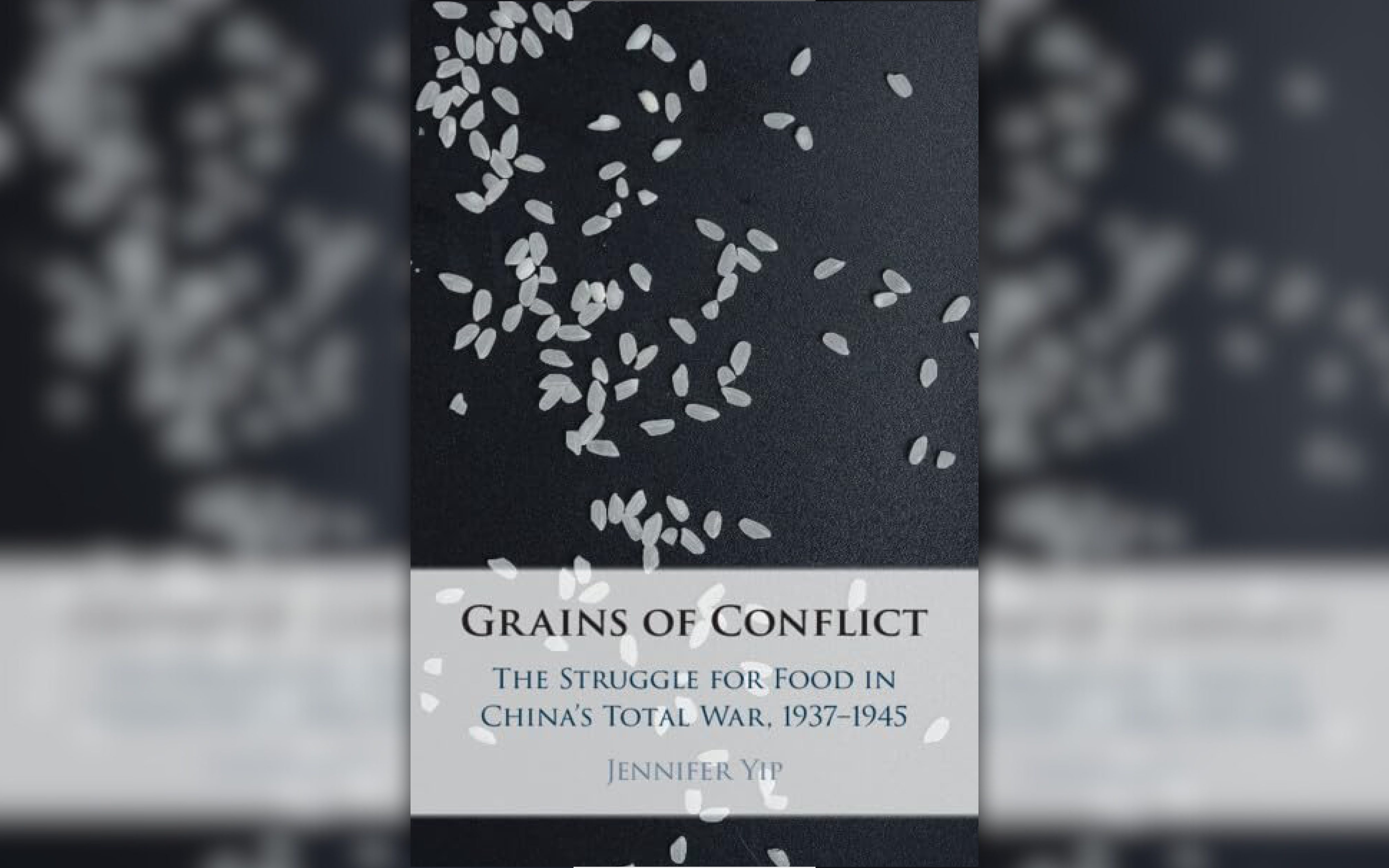
On Wednesday, February 25, the Asia Policy Program will host Jennifer Yip for a discussion on her newest book, Grains of Conflict: The Struggle for Food in China’s Total War, 1937-1945.
Jennifer Yip is an Assistant Professor in the Department of History at the National University of
Singapore. She is a historian of war, strategy, and the socio-economic effects of war
mobilization, with a focus on Republican China. She received her PhD in History from the
University of Pennsylvania, and served as a postdoctoral fellow at the Clements Center for
National Security at the University of Texas at Austin, where she was also an affiliate of the
Asia Policy Program
In the first in-depth examination of how the Nationalist government fed its armies during its
war against Japan, Jennifer Yip demonstrates how the Chinese government relied on mass
civilian mobilization to carry out all stages of military provisioning, from procurement to
transportation and storage. The intensive use of civilian labor and assets–a distinctly
preindustrial resource base–shaped China’s conception of its total war effort, and distinguished
China’s experience as unique among World War Two combatants. Yip challenges the
predominant image of World War II as one of technological prowess and the tendency to
conflate total war with industrialized warfare. Ultimately, China sustained total war
with premodern means: by ruthlessly extracting civilian resources. In this way, the book also
revisits the longstanding question of how the Nationalist government survived eight years of war
against all odds.