
Peering into the Black Hole: What We Can Learn About North Korea’s Economy
Dr. Munseob Lee, Associate Professor of Economics, Krause Chair in Korean Studies, and Directror of Korea-Pacific Program - UC San Diego
September 17, 2025 | 12:15pm - 1:30pm
SRH 3.122, The LBJ School
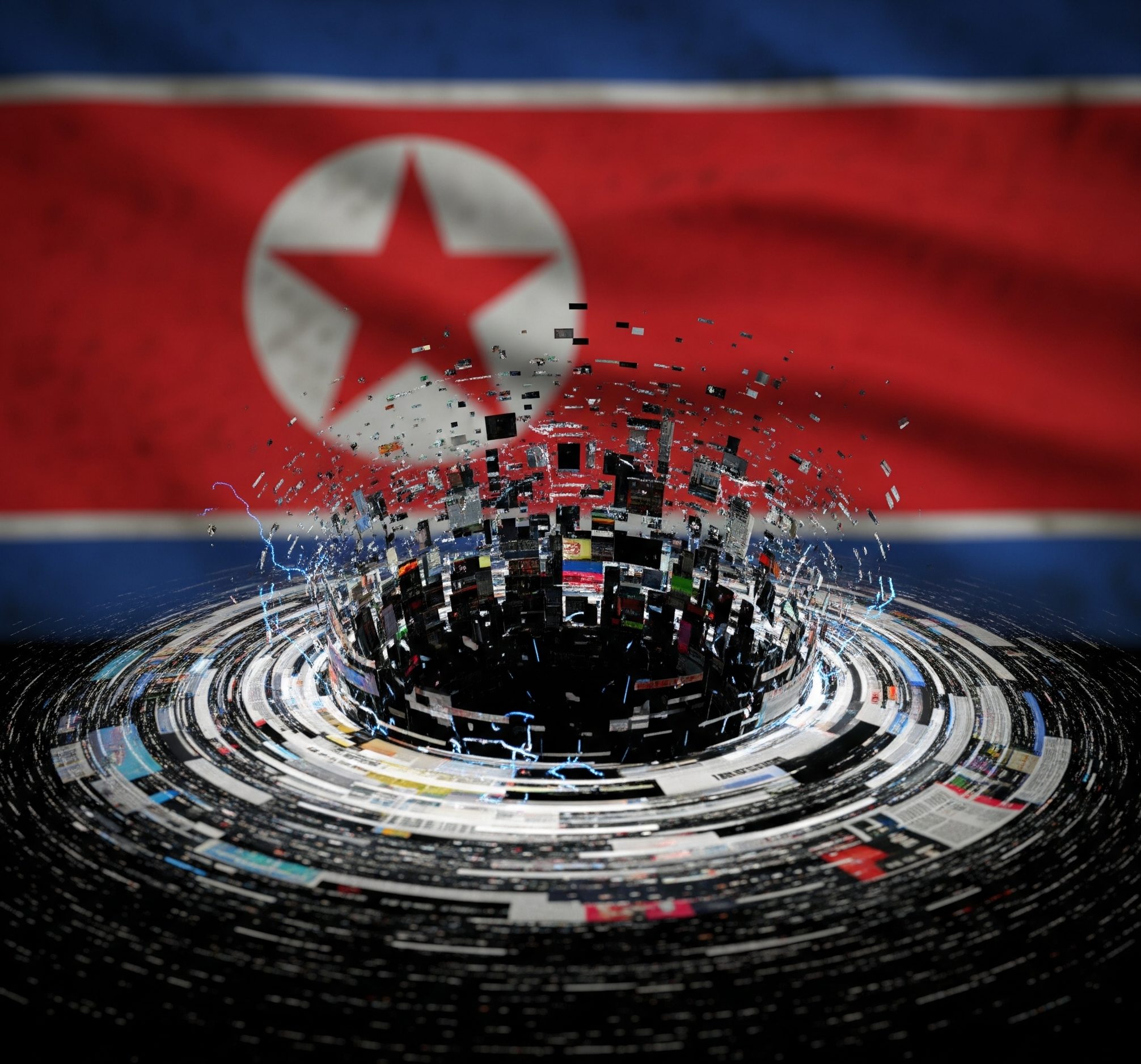
On Wednesday, September 17, The Asia Policy Program hosted Munseob Lee for a talk about how innovative approaches reveal insights into North Korea’s economic challenges and resilience, offering a clearer picture for international security and U.S. policy.
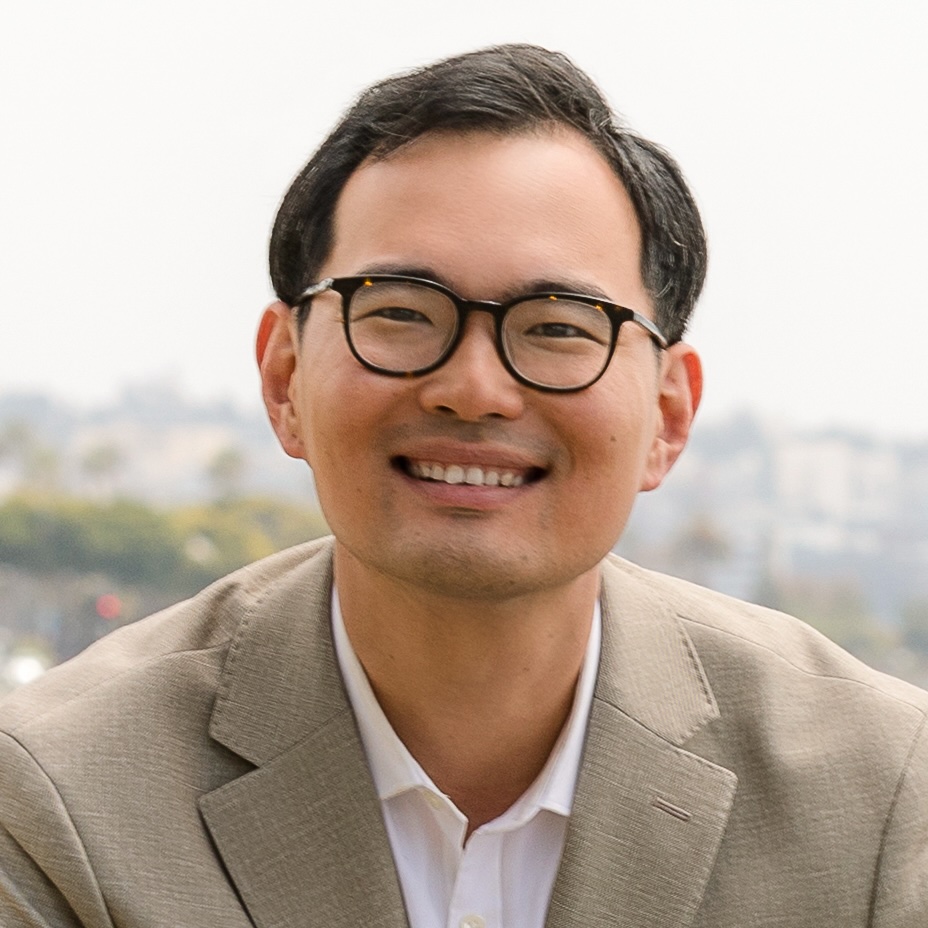
Munseob Lee is an Associate Professor of Economics and the Krause chair in Korean Studies at the UC San Diego School of Global Policy and Strategy, where he also serves as director of the Korea-Pacific Program. His research focuses on macroeconomics, economic growth and development, and the Korean economy (South and North). In his career, he has served as a short-term consultant at the World Bank, a visiting fellow at the Asian Development Bank and a visiting scholar at the Federal Reserve Banks of St. Louis and Minneapolis.
North Korea is often described as a “black hole” for economic information: reliable statistics are scarce, and what little is released is tightly controlled by the regime. Yet researchers, policymakers, and journalists cannot afford to look away. This talk explores how scholars have developed creative methods, ranging from satellite imagery and refugee surveys to trade data and price monitoring, to piece together a picture of North Korea’s economy. These approaches reveal not only the country’s economic challenges and resilience but also provide insights that matter for international security and U.S. policy.
The Asia Policy Program is a joint effort of the Clements Center for National Security and the Strauss Center for International Security and Law.